Home maintenance can feel like an endless to-do list, and it's tempting to ignore small problems in the hope they'll go away. They won't. In fact, minor issues often escalate into expensive repairs if left unchecked. Knowing when to call a builder isn't just about fixing what's broken—it's about protecting your investment, ensuring your home is safe, and avoiding costly emergency call-outs down the line. The question isn't whether you can DIY it; it's whether spotting the signs early will save you thousands of pounds.
Visible Cracks in Walls or Ceilings
A hairline crack here and there might seem harmless, but structural cracks tell a different story. If you notice cracks wider than a few millimetres, cracks that run diagonally across walls, or cracks that keep reappearing after you've had them filled, these are signs of movement in your building. This could indicate subsidence, poor foundations, or water damage—all of which require professional assessment. Don't ignore them; a surveyor or structural engineer can determine whether you need urgent action or can safely schedule work for later.
Damp Patches or Water Stains on Walls and Ceilings
Damp isn't just unsightly—it's a sign that water is getting where it shouldn't be. Brown stains on ceilings often mean a roof leak, whilst damp patches on lower walls might indicate rising damp or failed damp-proof courses. Damp creates ideal conditions for mould, which damages your health and your property. If damp persists despite improving ventilation, or if it spreads across a wall, call a builder who can diagnose the source and recommend remedial action before the problem worsens.
Sagging Ceilings or Floors
A ceiling that dips or a floor that slopes towards one wall is a red flag. Sagging typically indicates rotting timber joists, failed beam supports, or structural movement. This isn't cosmetic—sagging ceilings can collapse, and uneven floors suggest problems beneath the surface. Get a professional opinion immediately, particularly if the sagging has worsened recently or if you notice associated cracking or dampness nearby.
Rotten or Soft Timber Around Windows, Doors, or Fascias
Press your finger against wooden frames, sills, or roof fascias. If the wood feels soft, crumbles easily, or shows obvious decay, you have dry or wet rot. Rotten timber won't support your windows or roof properly, and the rot can spread to structural timbers if left untreated. This requires a surveyor to assess the extent of damage and a builder to replace affected sections before the problem advances into the building fabric.
Leaking or Visibly Damaged Roof
Missing roof tiles, slipped slates, or obvious gaps in flashing around chimneys are invitations for water ingress. You might notice water stains on upstairs ceilings, damp in the attic, or actual drips during heavy rain. Even if you can't see interior signs yet, visible roof damage is urgent—one storm could cause significant water damage inside your home. A builder or surveyor should inspect the roof promptly and arrange repairs before the winter months.
Crumbling Mortar Between Bricks or Stones
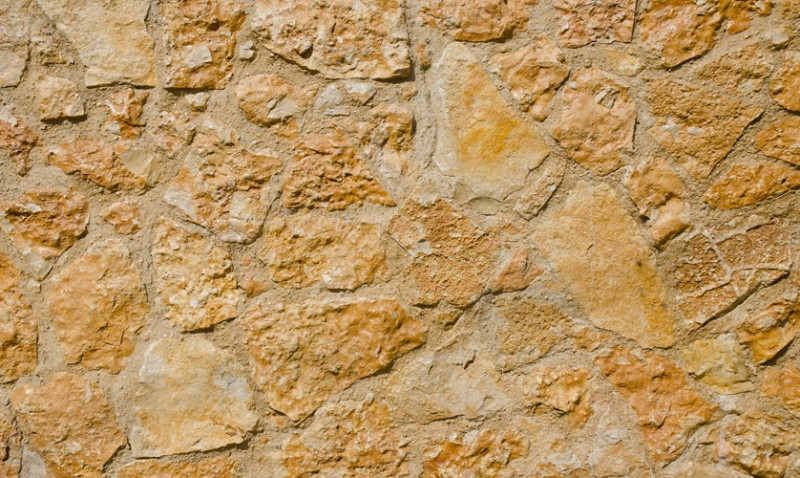
If the mortar holding your brickwork together is crumbling or missing, water can penetrate the walls behind. This typically happens on older properties or those exposed to prevailing winds and rain. Repointing—replacing failed mortar—is specialist work that requires the right materials and technique to match your original construction. Ignoring crumbling mortar allows water ingress and can eventually compromise the structural integrity of masonry walls.
Condensation That Won't Shift, or Mould Growth in Corners
Some condensation in bathrooms and kitchens is normal, but if mould appears regularly on walls or ceilings even after you've wiped it away, you likely have a ventilation problem, inadequate insulation, or moisture ingress. Persistent mould poses health risks and suggests your building envelope isn't working properly. A builder can assess whether you need improved ventilation, additional insulation, or remedial work to prevent moisture entering from outside.
Urgent vs. Can Wait
Call a builder immediately if: You have active water leaks, visible structural movement, sagging ceilings or floors, rotten timber, or obvious roof damage. These issues pose safety risks or will cause rapid, expensive deterioration.
Schedule work within the next few weeks if: You notice persistent damp, crumbling mortar, mould growth, or new cracks appearing. These issues are genuine concerns that need professional attention but won't collapse overnight.
Plan ahead for non-urgent work if: You're updating dated electrics, replacing old windows, or redecorating. These improvements enhance your home without immediate risk.
DIY vs. Professional Work
Some jobs are genuinely DIY territory—painting, simple repairs, basic tiling. But structural issues, damp remediation, roof work, and anything involving the building fabric should go to professionals. Your builder will have the expertise to diagnose problems correctly, understand Building Regulations compliance, and guarantee their work. Attempting structural repairs without proper knowledge can make problems worse and invalidate insurance claims.
If you're unsure whether something needs professional attention, a £150 survey is far cheaper than fixing a problem you've misdiagnosed.
Find the Right Builder Now
If you've spotted any of these signs, you need reliable professional help. Builders Merchants Direct connects you with vetted builders across the UK who can assess your property, explain what's needed, and provide fair quotes. Don't let warning signs become disasters—search for a local builder today and get your home checked over properly.
```Trending articles
-
 Insulation Types UK: Which Material ...
Mar 2026
Insulation Types UK: Which Material ...
Mar 2026
-
 Trade Accounts at Builders Merchants: ...
Mar 2026
Trade Accounts at Builders Merchants: ...
Mar 2026
-
 Plasterboard vs Timber Frame: Which is ...
Mar 2026
Plasterboard vs Timber Frame: Which is ...
Mar 2026
-
 Timber Prices UK 2026: What Builders ...
Mar 2026
Timber Prices UK 2026: What Builders ...
Mar 2026
-
 Builder Rates and Pricing in 2026: Are ...
Feb 2026
Builder Rates and Pricing in 2026: Are ...
Feb 2026
-
 How to Get More Building Work Work in ...
Feb 2026
How to Get More Building Work Work in ...
Feb 2026