If you're planning a construction project this year, understanding current building materials costs is essential for accurate budgeting. The UK market has stabilised considerably since the volatile post-pandemic period, though prices remain higher than pre-2020 levels. Whether you're undertaking a small renovation or a large commercial build, knowing where prices stand helps you make informed purchasing decisions.
Material costs typically account for 40-60% of total project expenses. In 2026, several factors continue to influence pricing: manufacturing capacity, supply chain efficiency, energy costs, and currency fluctuations all play a role. Unlike previous years when dramatic monthly swings were common, the current market offers more predictable pricing, making it easier to obtain realistic quotes from suppliers.
Timber and Lumber: Current Market Rates
Timber pricing has become one of the most closely watched indicators in the construction sector. As of 2026, softwood prices have settled into a more stable range compared to the turbulent years of 2021-2023, giving builders and merchants better planning opportunities.
For standard timber grades commonly used in UK construction:
- Sawn softwood (2x4 inch): £0.85-£1.10 per linear metre, depending on grade and supplier location
- Planed softwood (2x2 inch): £0.65-£0.95 per linear metre
- Hardwood (oak or ash): £3.50-£6.20 per linear metre for quality joinery grades
- Treated exterior timber: £1.20-£1.75 per linear metre
- Engineered joists: £2.40-£3.80 per linear metre
Regional variations exist across the UK. Scottish suppliers may charge differently from southern England operations due to transport costs and local market conditions. Buying larger quantities typically unlocks volume discounts of 10-15% from merchants. Bulk purchasing through a builders merchant offers better value than retail DIY outlets, with some merchants offering loyalty schemes that reduce costs further on repeat orders.
Bricks, Blocks and Masonry Materials
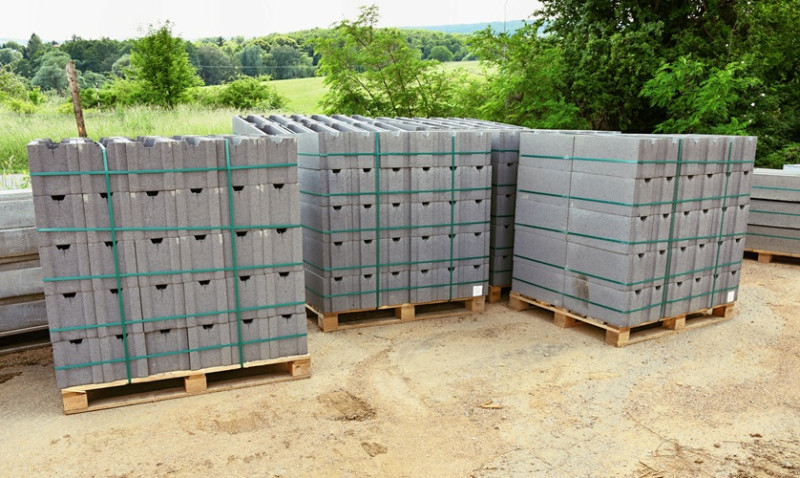
Masonry forms the foundation of most UK building projects, and material costs here have shown modest increases through 2025 and into 2026. Clay brick production has normalised, but demand remains steady, keeping prices firm.
Current pricing for standard masonry materials includes:
- Clay facing bricks: £350-£550 per thousand depending on colour and finish
- Concrete blocks (100mm standard): £65-£95 per hundred
- Lightweight blocks (thermalite equivalent): £75-£110 per hundred
- Cavity wall ties: £18-£28 per box of 100
- Mortar (ready mix): £4.50-£7.20 per 25kg bag
Reclaimed and specialist bricks command premium prices, ranging from £800 to £2,500 per thousand for character properties matching specific requirements. If your project demands matching existing brickwork, budget accordingly or consider colour-matched modern alternatives that cost less.
Delivery costs significantly impact final material prices. Buying locally reduces transport charges, whilst ordering from distant suppliers can add 15-20% to brick prices. Most merchants offer free delivery on orders exceeding £500-£750, making bulk purchasing more economical.
Concrete, Cement and Aggregates
Concrete and cement products form the backbone of modern construction. Prices in early 2026 reflect stable manufacturing output, though energy costs for cement production remain elevated compared to a decade ago.
- Ready-mix concrete (per cubic metre): £95-£135 depending on strength grade and location
- Portland cement (per 25kg bag): £6.80-£9.50
- General-purpose sand (per tonne): £22-£38
- Gravel and stone aggregate (per tonne): £15-£28
- Reinforcement steel (per tonne): £520-£680
Concrete delivery charges vary widely based on your distance from batching plants. Rural areas often face surcharges of £20-£50 per load. Minimum order quantities typically start at 3 cubic metres, so small projects may need to bulk orders with neighbouring builds or store excess material safely for future use.
Plasterboard, Insulation and Drywall
Interior finishing materials have seen the most significant price stability throughout 2025 and 2026. Manufacturing capacity for plasterboard has recovered fully, and competition between suppliers keeps prices competitive.
Standard internal finishing costs look like this:
- Standard plasterboard sheets (9.5mm): £4.20-£6.80 per sheet
- Fire-rated plasterboard (30/60 minutes): £7.50-£11.20 per sheet
- Moisture-resistant plasterboard (bathroom grade): £6.50-£9.40 per sheet
- Mineral wool insulation (100mm batts): £8-£14 per square metre
- Rigid foam insulation boards: £12-£22 per square metre
- Plaster finish (joint compound): £3.20-£5.50 per 20kg bucket
Specialist insulation products for meeting building regulations have become more competitively priced as green building standards drive higher demand. Thicker insulation (150-200mm) now costs only marginally more than thinner alternatives, making it economically sensible to exceed minimum requirements.
Roofing Materials and Weather Protection
Roofing represents a substantial cost element in most building projects. Material selection significantly impacts both initial expenditure and long-term maintenance costs. Slate and tile pricing has climbed due to manufacturing constraints, whilst asphalt and composite alternatives offer better value.
- Slate roof tiles (per square): £180-£320 depending on thickness and origin
- Clay roof tiles (per square): £140-£240
- Concrete interlocking tiles (per square): £85-£140
- Asphalt bitumen shingles (per square): £45-£75
- Breathable roofing membrane (per square metre): £2.80-£4.50
- Lead flashing (per metre): £8.50-£12.20
Labour forms a substantial portion of roofing costs, but material costs alone represent 25-35% of typical pitched roof expenses. Flat roof systems cost differently, with EPDM rubber membranes running £6-£10 per square metre and bituminous alternatives slightly cheaper at £4.50-£8 per square metre.
Money-Saving Tips for 2026 Projects
Understanding pricing is one thing; reducing what you pay is another. Several practical strategies help keep material budgets realistic without compromising quality:
- Obtain written quotes from at least three separate merchants for all major material purchases
- Buy materials locally when possible to eliminate delivery surcharges on heavy items like brick and concrete
- Order standard products well in advance rather than rush-ordering specialist items
- Consider bulk purchasing with neighbouring projects to access trade discounts
- Ask merchants about seasonal promotions, particularly around January and September
- Compare own-brand products from major chains against branded equivalents for cost savings of 10-20%
Building materials typically see seasonal price fluctuations, with winter months sometimes offering better deals as demand drops. However, extreme weather can disrupt supply chains, so balancing timing with project schedules requires careful planning.
If you're planning a significant build, establishing relationships with a single merchant can yield ongoing discounts and preferential pricing across multiple purchases. Many merchants offer account terms for regular builders, allowing payment on invoice rather than upfront.
To get accurate, current quotes for your specific project needs, compare quotes from three providers in your area to ensure you're getting competitive rates.
Frequently Asked Questions
Trending articles
-
 Insulation Types UK: Which Material ...
Mar 2026
Insulation Types UK: Which Material ...
Mar 2026
-
 Trade Accounts at Builders Merchants: ...
Mar 2026
Trade Accounts at Builders Merchants: ...
Mar 2026
-
 Plasterboard vs Timber Frame: Which is ...
Mar 2026
Plasterboard vs Timber Frame: Which is ...
Mar 2026
-
 Timber Prices UK 2026: What Builders ...
Mar 2026
Timber Prices UK 2026: What Builders ...
Mar 2026
-
 Builder Rates and Pricing in 2026: Are ...
Feb 2026
Builder Rates and Pricing in 2026: Are ...
Feb 2026
-
 How to Get More Building Work Work in ...
Feb 2026
How to Get More Building Work Work in ...
Feb 2026